Location Setting
For a personalized experience, please select your preferred location below.



- Home
-
Primary

- Level 1
- Level 2
- Level 3
- Level 4
- Level 5
- Level 6
- AMC Intensive Preparation Course
- NAPLAN Intensive Preparation Course
- Public Speaking and Debating Course
- Private School Scholarship Tutoring Sydney | Reddan House, Abbotsleigh, ACER & AAS
- Selective School Exam Intensive Preparation Course
- OC Exam Intensive Preparation Course
- Private School Scholarship Test Intensive Prep Course
-
Level 1 Mathematics

-
Level 1 English
-
Level 2 Mathematics
-
Level 2 English
-
Level 3 Mathematics
-
Level 3 English
-
Level 4 Mathematics
-
Level 4 English
-
Level 5 Mathematics
-
Level 5 English
-
Level 6 Mathematics
-
Level 6 English
-
AMC Intensive Preparation Course
-
NAPLAN Intensive Preparation Course
-
Public Speaking and Debating Course
-
Private School Scholarship Tutoring Sydney | Reddan House, Abbotsleigh, ACER & AAS
-
Selective School Exam Intensive Preparation Course
-
OC Exam Intensive Preparation Course
-
Private School Scholarship Test Intensive Prep Course
- Level 1
-
Secondary
- Year 7
- Year 8
- Year 9
- Year 10
- AMC Intensive Preparation Course
- NAPLAN Intensive Preparation Course
- Public Speaking and Debating Course
- Private School Scholarship Tutoring Sydney | Reddan House, Abbotsleigh, ACER & AAS
- Selective School Exam Intensive Preparation Course
- Private School Scholarship Test Intensive Prep Course
-
Year 7 Mathematics
-
Year 7 English
-
Year 8 Mathematics
-
Year 8 English
-
Year 9 Mathematics
-
Year 9 English
-
Year 10 Mathematics
-
Year 10 Mathematics
-
Year 10 English
-
Year 10 EAL
-
Year 10 Physics
-
Year 10 Chemistry
-
AMC Intensive Preparation Course
-
NAPLAN Intensive Preparation Course
-
Public Speaking and Debating Course
-
Private School Scholarship Tutoring Sydney | Reddan House, Abbotsleigh, ACER & AAS
-
Selective School Exam Intensive Preparation Course
-
Private School Scholarship Test Intensive Prep Course
- Year 7
-
VCE
- Year 11
- Year 12
- VCE Tutoring
-
Year 11 VCE English
-
Year 11 VCE EAL
-
Year 11 VCE General Maths
-
Year 11 VCE Maths Methods
-
Year 11 VCE Specialist Maths (Advanced)
-
Year 11 VCE Specialist Maths (Standard)
-
Year 11 VCE Chemistry
-
Year 11 VCE Biology
-
Year 11 VCE Physics
-
Year 12 VCE English Language
-
Year 12 VCE English
-
Year 12 VCE EAL
-
Year 12 VCE English Text Response Workshops Class
-
Year 12 VCE EAL Text Response Workshops Class
-
Year 12 VCE General Maths
-
Year 12 VCE Maths Methods
-
Year 12 VCE Specialist Maths
-
Year 12 VCE Chemistry
-
Year 12 VCE Biology
-
Year 12 VCE Physics
-
Year 12 VCE Accounting
-
VCE Tutoring
- Year 11
-
HSC
- Year 11
- Year 12
- HSC Tutoring
- Year 11
- MarsLadder
- Careers
- Settings
- Language
- Location Setting VIC
- NSW
- VIC
Cancel - Language
Location Setting
For a personalized experience, please select your preferred location below.
Year 12 HSC Chemistry Tutoring
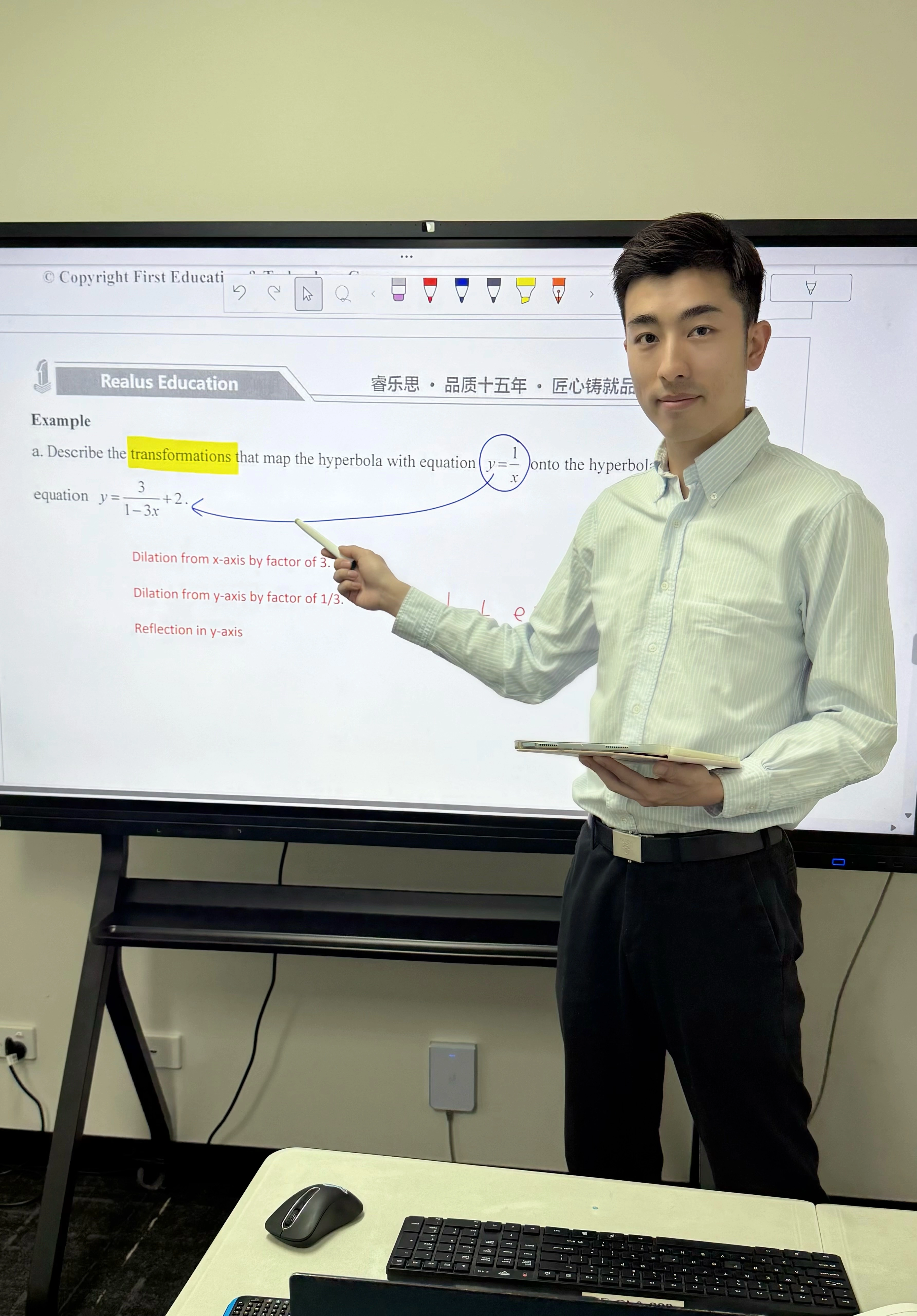
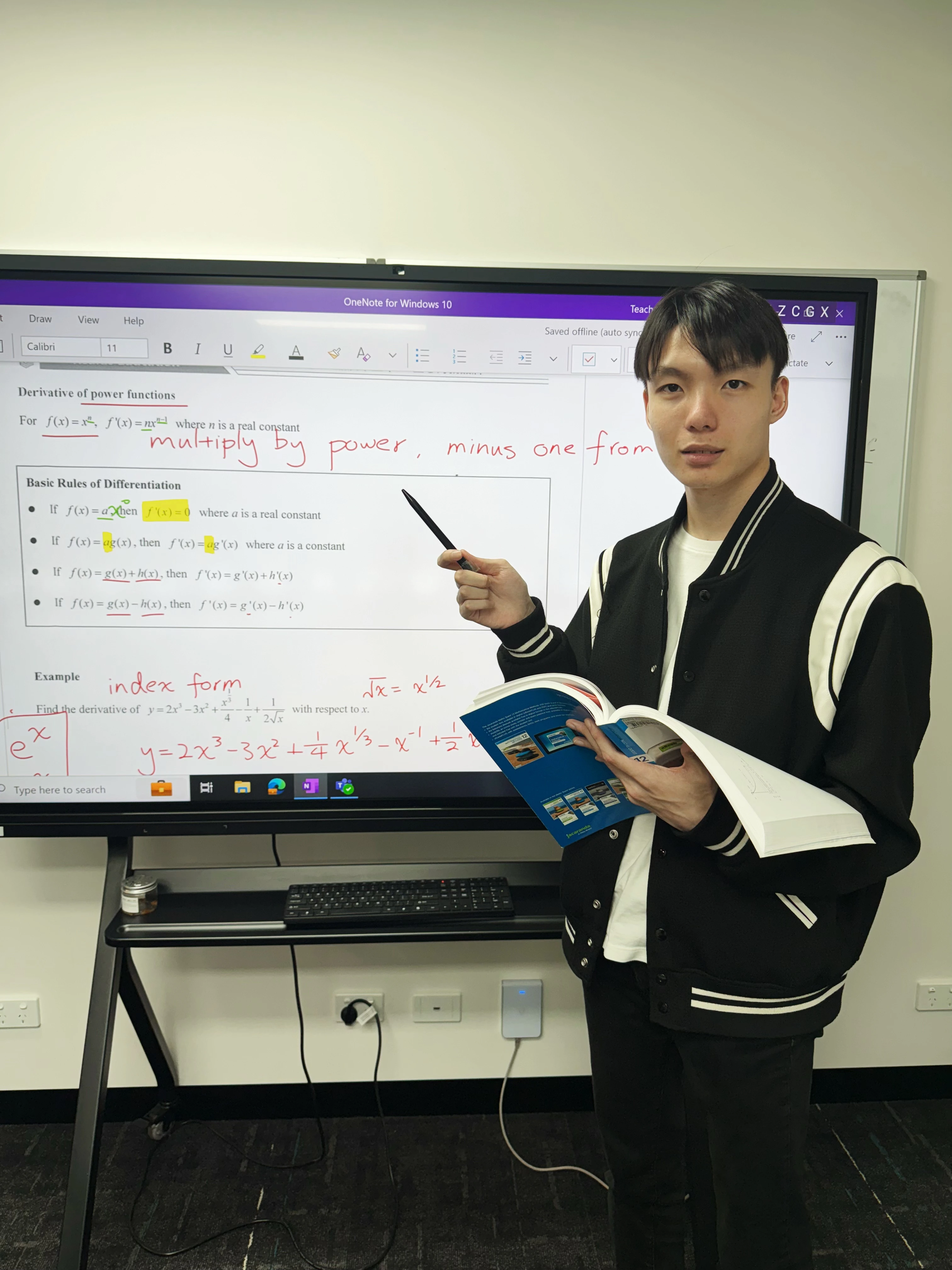
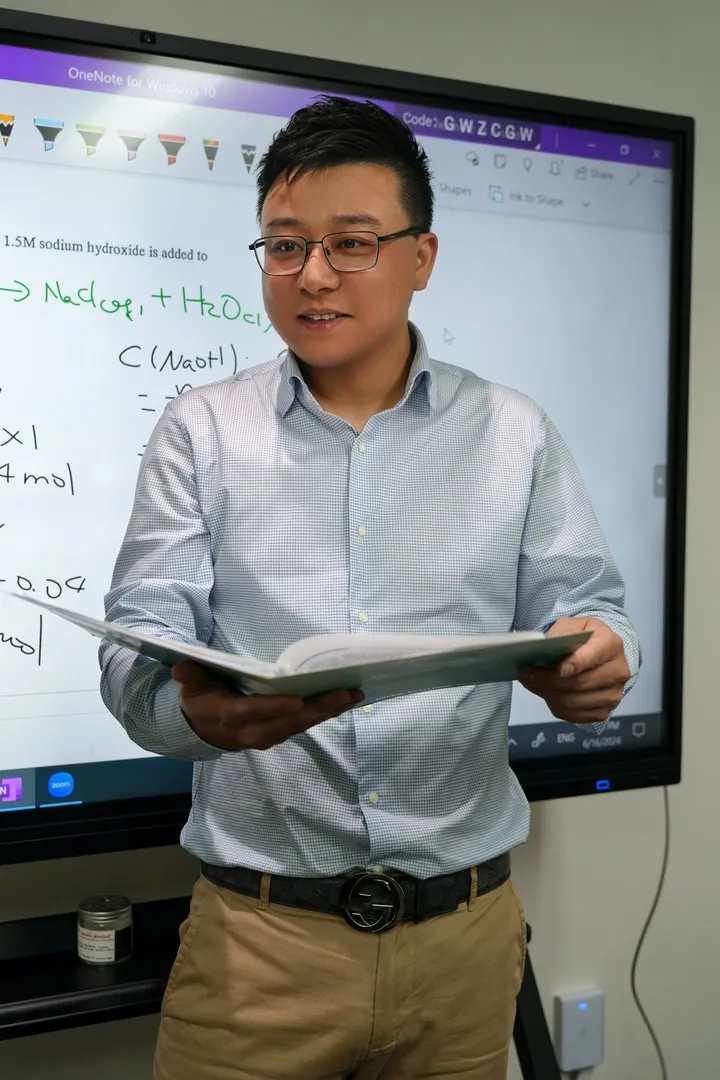
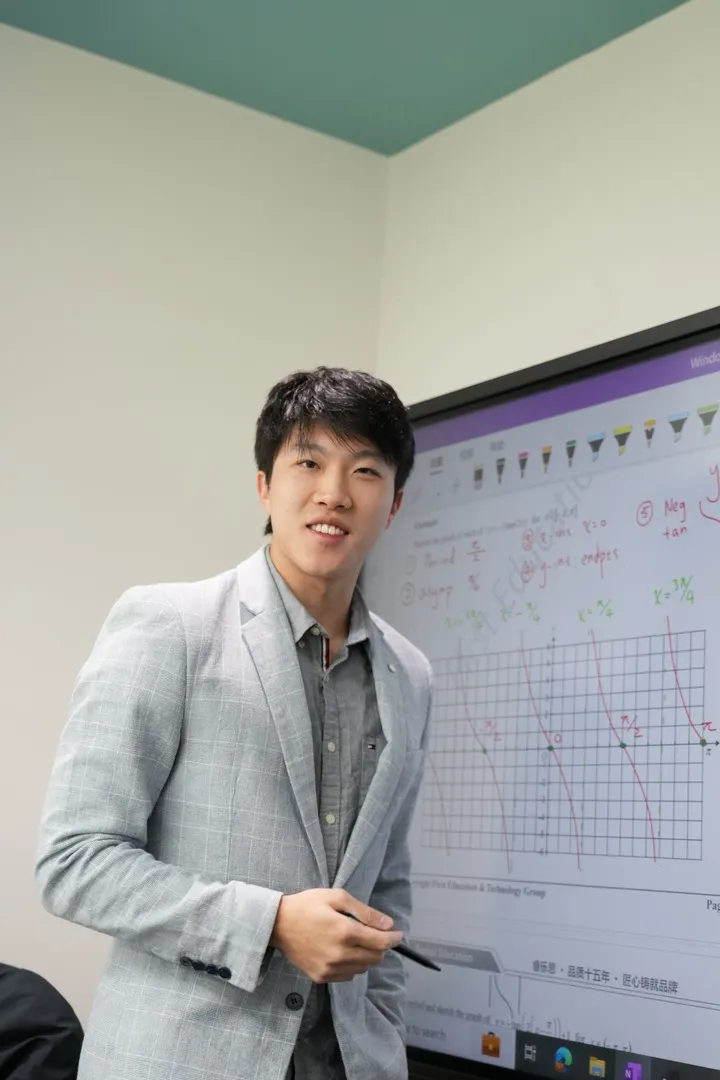
Through Realus’ unique O2O teaching model, our Year 12 program applies the Three-stage Learning Method to systematically review and reinforce the core knowledge of HSC Chemistry. The course strengthens students’ ability to apply knowledge and develop scientific analysis skills, while further refining exam strategies and test-taking skills. This ensures students can perform at their best in the final HSC Chemistry examination and confidently aim for a Band 6 result.