Location Setting
For a personalized experience, please select your preferred location below.



- Home
-
Primary

- Level 1
- Level 2
- Level 3
- Level 4
- Level 5
- Level 6
- AMC Intensive Preparation Course
- NAPLAN Intensive Preparation Course
- Public Speaking and Debating Course
- Private School Scholarship Tutoring Sydney | Reddan House, Abbotsleigh, ACER & AAS
- Selective School Exam Intensive Preparation Course
- OC Exam Intensive Preparation Course
- Private School Scholarship Test Intensive Prep Course
-
Level 1 Mathematics

-
Level 1 English
-
Level 2 Mathematics
-
Level 2 English
-
Level 3 Mathematics
-
Level 3 English
-
Level 4 Mathematics
-
Level 4 English
-
Level 5 Mathematics
-
Level 5 English
-
Level 6 Mathematics
-
Level 6 English
-
AMC Intensive Preparation Course
-
NAPLAN Intensive Preparation Course
-
Public Speaking and Debating Course
-
Private School Scholarship Tutoring Sydney | Reddan House, Abbotsleigh, ACER & AAS
-
Selective School Exam Intensive Preparation Course
-
OC Exam Intensive Preparation Course
-
Private School Scholarship Test Intensive Prep Course
- Level 1
-
Secondary
- Year 7
- Year 8
- Year 9
- Year 10
- AMC Intensive Preparation Course
- NAPLAN Intensive Preparation Course
- Public Speaking and Debating Course
- Private School Scholarship Tutoring Sydney | Reddan House, Abbotsleigh, ACER & AAS
- Selective School Exam Intensive Preparation Course
- Private School Scholarship Test Intensive Prep Course
-
Year 7 Mathematics
-
Year 7 English
-
Year 8 Mathematics
-
Year 8 English
-
Year 9 Mathematics
-
Year 9 English
-
Year 10 Mathematics
-
Year 10 Mathematics
-
Year 10 English
-
Year 10 EAL
-
Year 10 Physics
-
Year 10 Chemistry
-
AMC Intensive Preparation Course
-
NAPLAN Intensive Preparation Course
-
Public Speaking and Debating Course
-
Private School Scholarship Tutoring Sydney | Reddan House, Abbotsleigh, ACER & AAS
-
Selective School Exam Intensive Preparation Course
-
Private School Scholarship Test Intensive Prep Course
- Year 7
-
VCE
- Year 11
- Year 12
- VCE Tutoring
-
Year 11 VCE English
-
Year 11 VCE EAL
-
Year 11 VCE General Maths
-
Year 11 VCE Maths Methods
-
Year 11 VCE Specialist Maths (Advanced)
-
Year 11 VCE Specialist Maths (Standard)
-
Year 11 VCE Chemistry
-
Year 11 VCE Biology
-
Year 11 VCE Physics
-
Year 12 VCE English Language
-
Year 12 VCE English
-
Year 12 VCE EAL
-
Year 12 VCE English Text Response Workshops Class
-
Year 12 VCE EAL Text Response Workshops Class
-
Year 12 VCE General Maths
-
Year 12 VCE Maths Methods
-
Year 12 VCE Specialist Maths
-
Year 12 VCE Chemistry
-
Year 12 VCE Biology
-
Year 12 VCE Physics
-
Year 12 VCE Accounting
-
VCE Tutoring
- Year 11
-
HSC
- Year 11
- Year 12
- HSC Tutoring
- Year 11
- MarsLadder
- Careers
- Settings
- Language
- Location Setting VIC
- NSW
- VIC
Cancel - Language
Location Setting
For a personalized experience, please select your preferred location below.
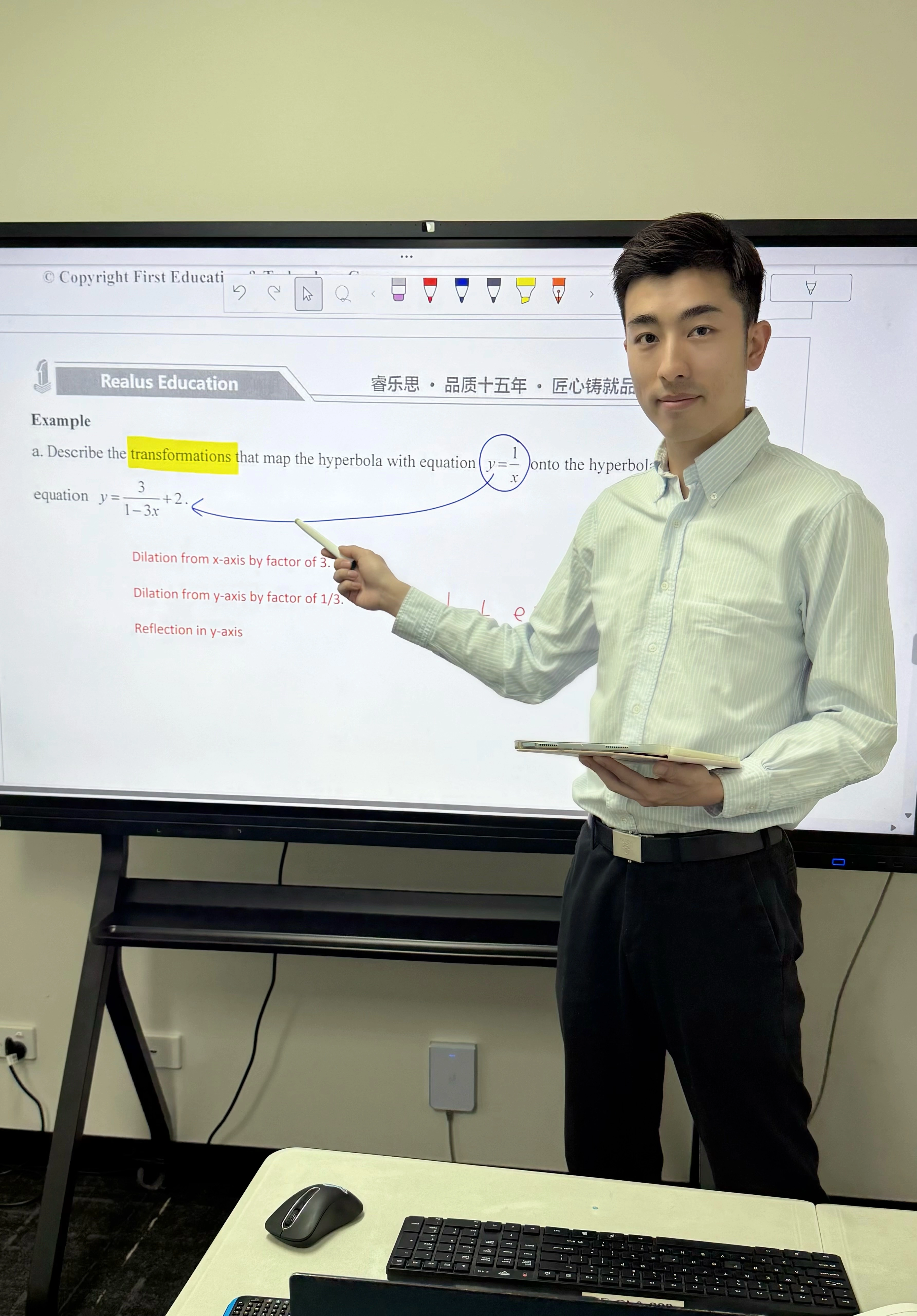
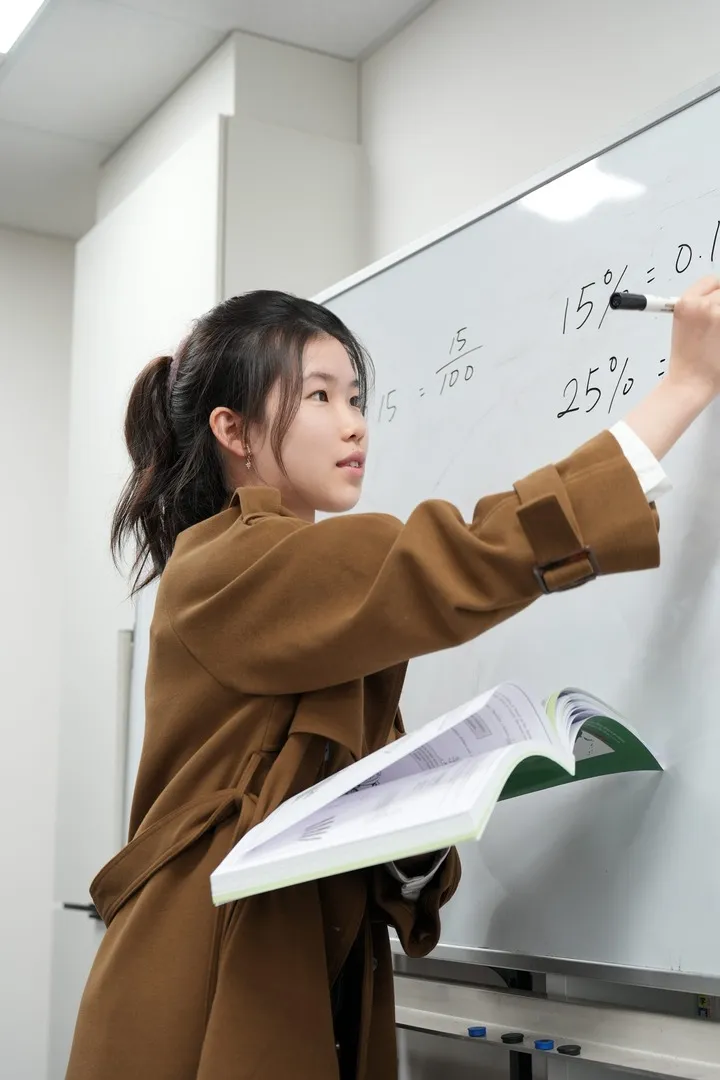
Year 10 Mathematics
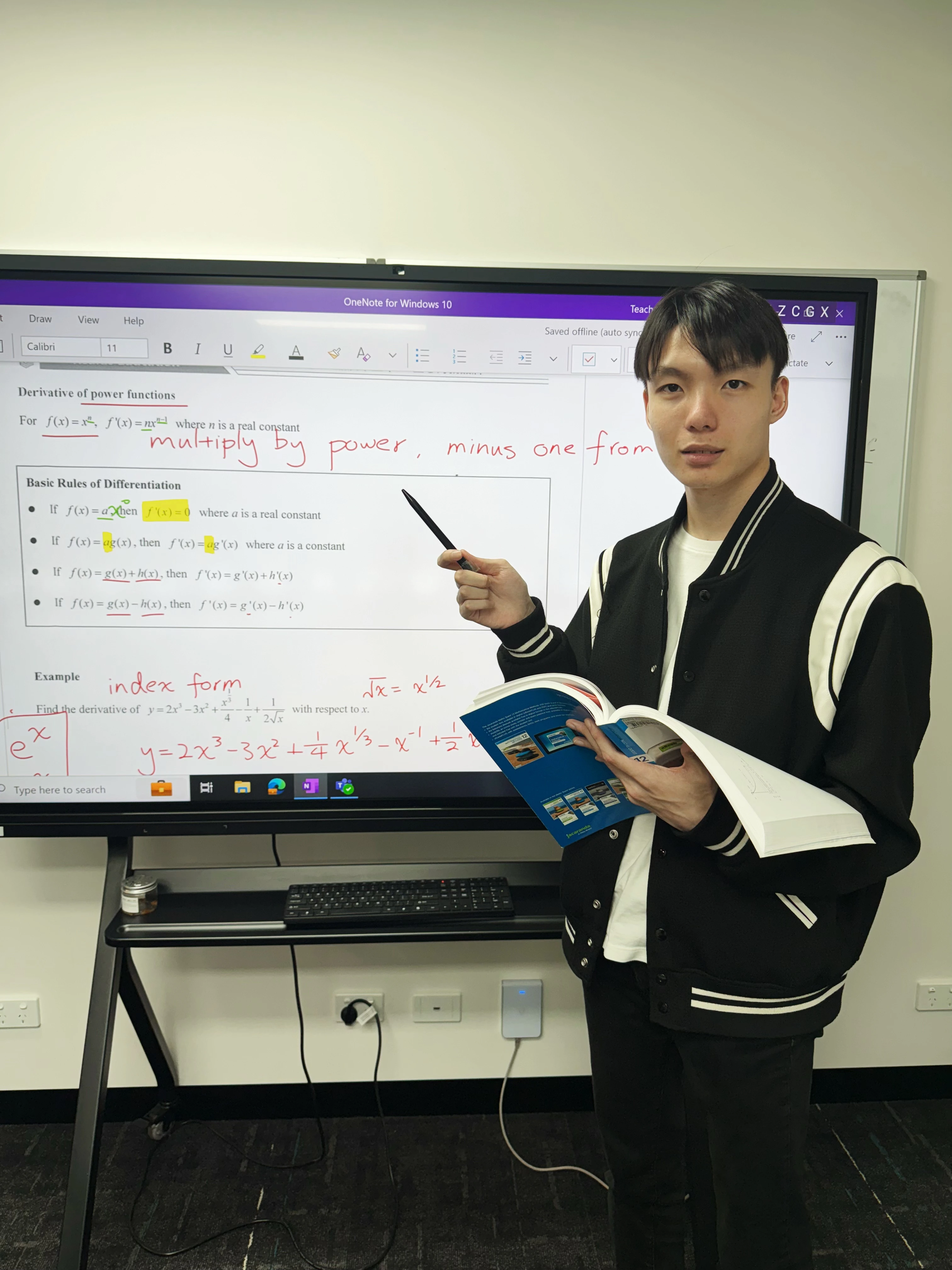
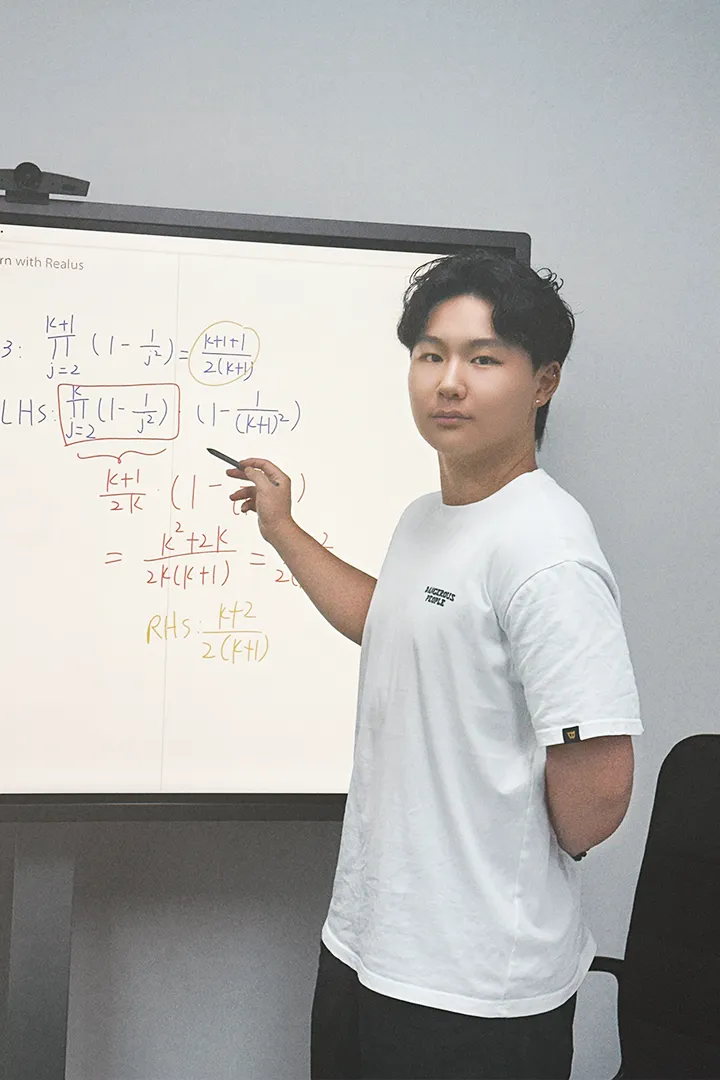
Through our unique O2O teaching model at Realus, we ensure the academic growth of students from Year 7 to Year 11, while emphasising the cultivation of independent thinking, creativity, and a lifelong learning attitude.
Upholding the principle of "learning ahead", we begin introducing VCE content in Years 9 and 10.
This approach ensures that by the end of Year 11, students have mastered all the requirements of the VCE syllabus, with appropriate extensions.