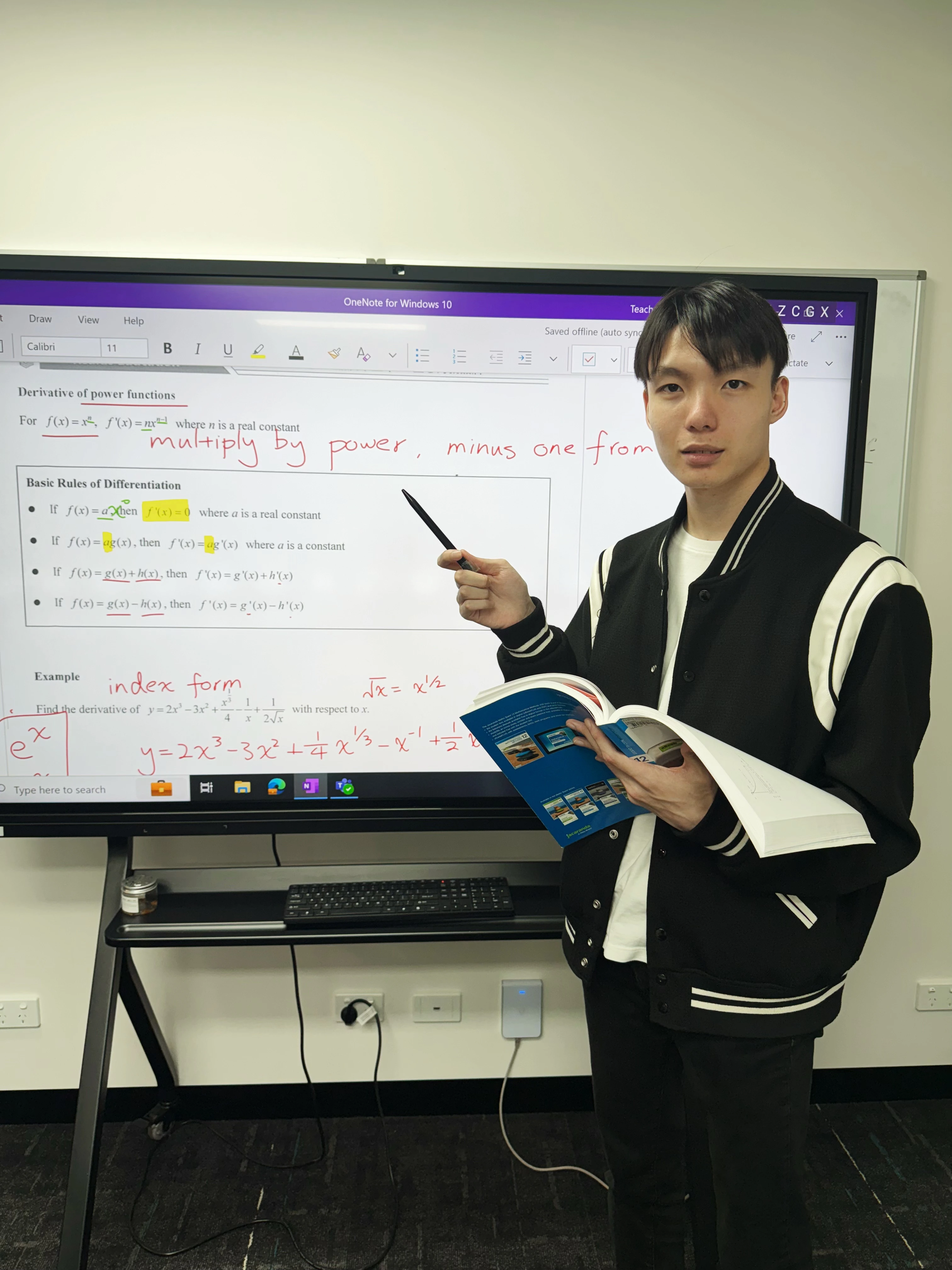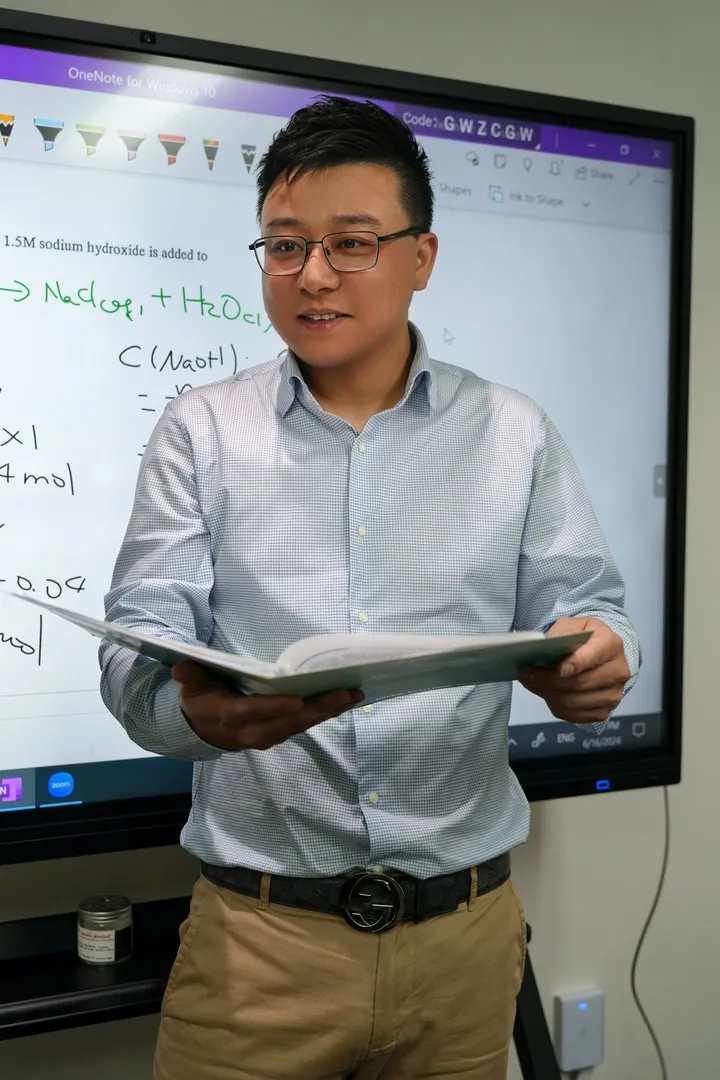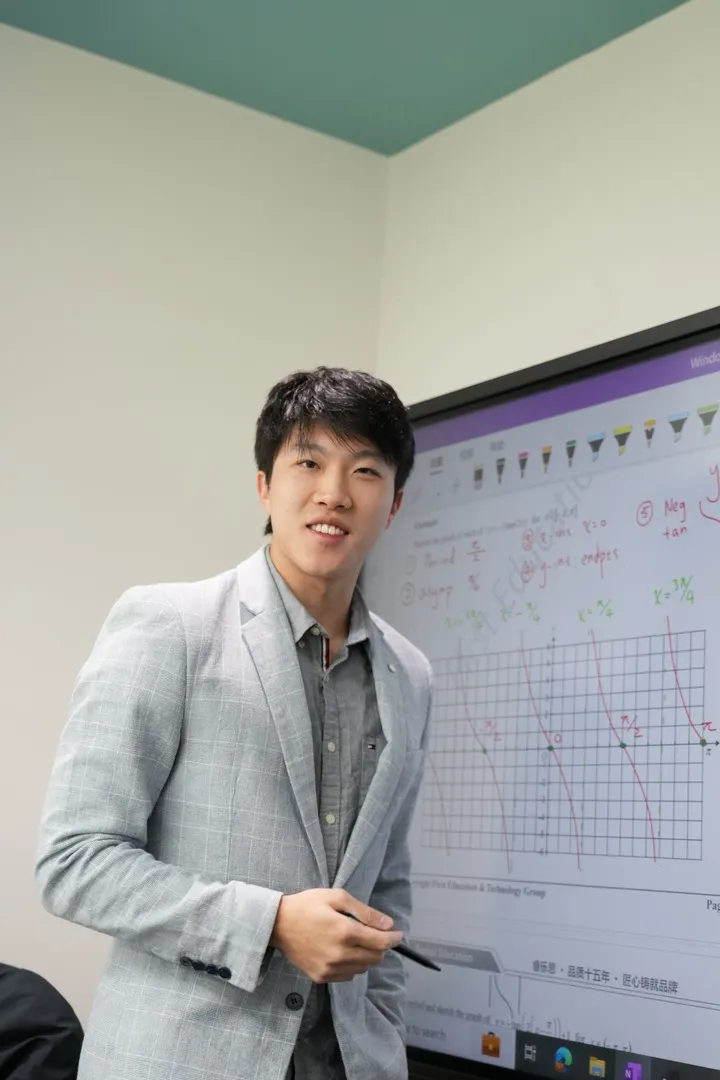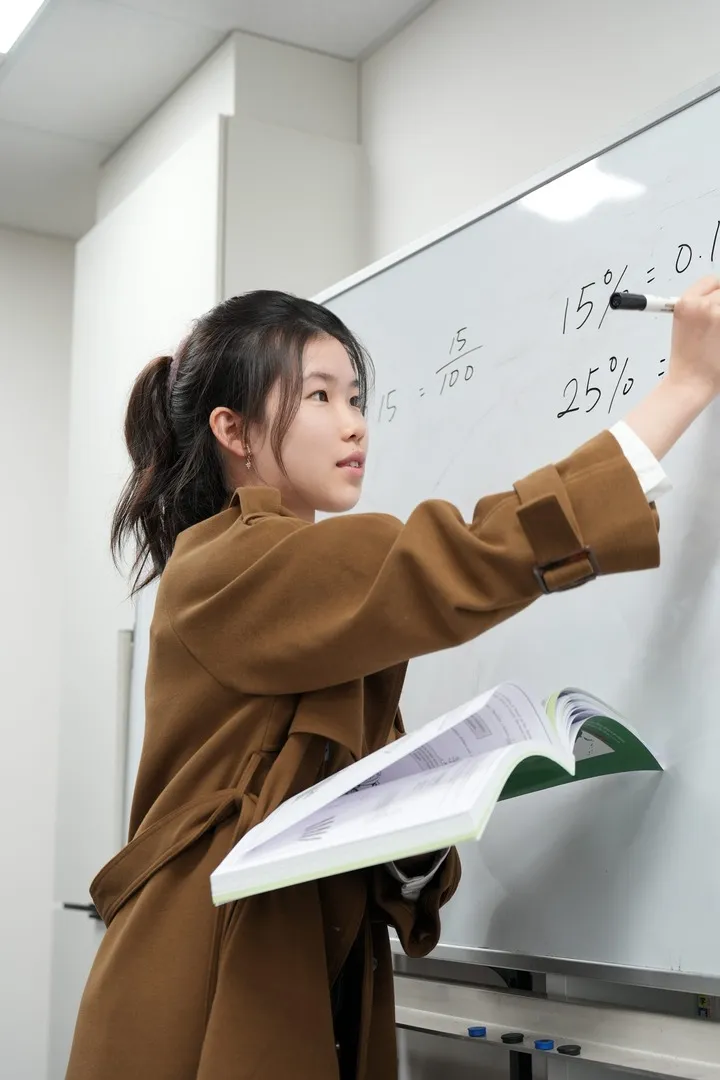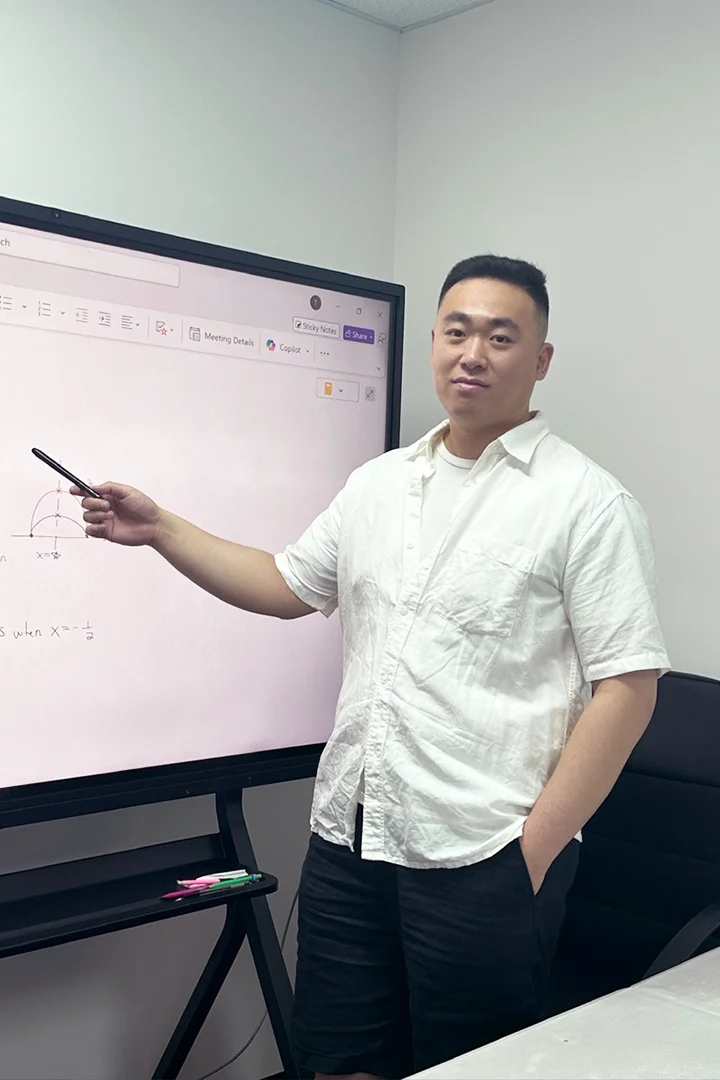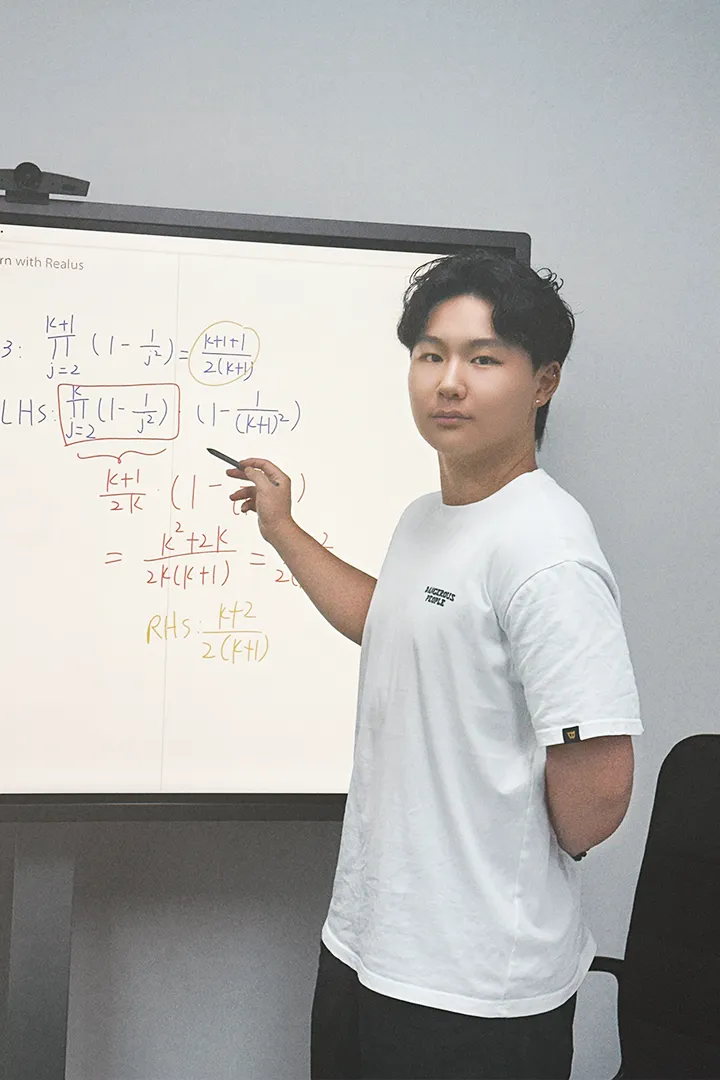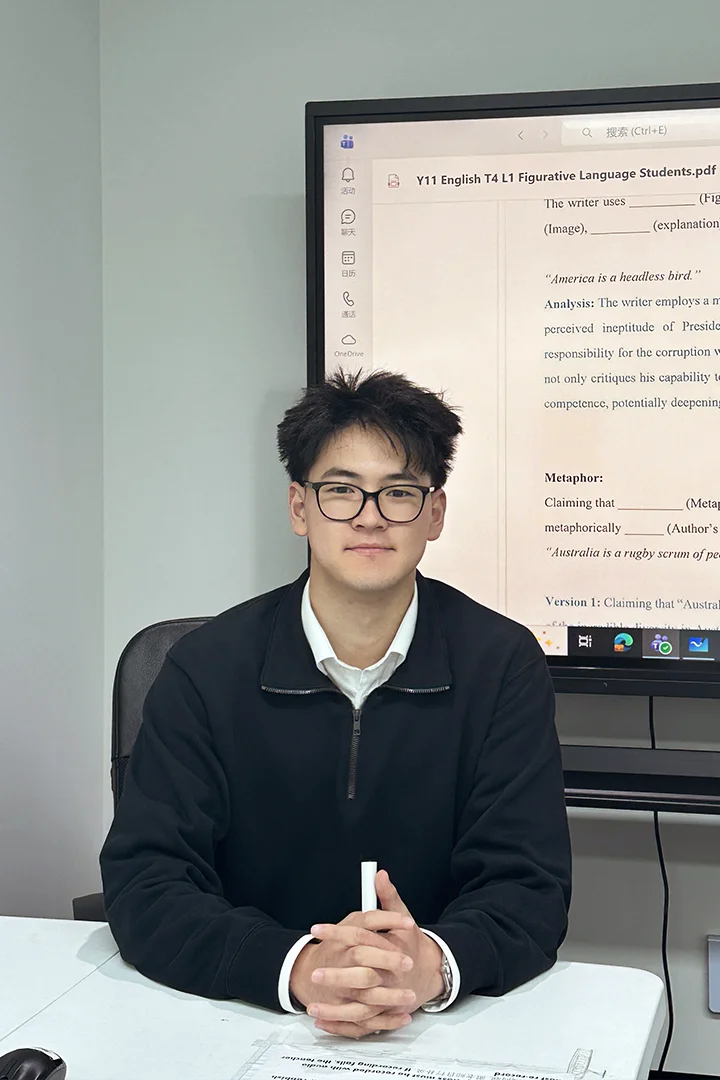
In Year 12, through Realus's unique O2O teaching model, we employ the "Three-Cycle Learning Method" to systematically review all key concepts, strengthen students' comprehensive application skills, and enhance their exam techniques.
This ensures that students perform at their best in the final VCE exams, maximising their potential.

At Realus, our educational philosophy is centered on systematic instruction and effective academic improvement.
Drawing on years of experience, our research and teaching team has innovatively developed the VCE Excellence Program, which incorporates two core educational principles: "Advanced Learning" and the "Three-Cycle Review Method." We encourage students to discover the joy of learning through exploration and practice, fostering critical thinking to analyse the depth and breadth of knowledge and its application in the real world.
From Year 7 to Year 10, we ensure students' academic growth while focusing on cultivating their independent thinking, creativity, and a lifelong learning attitude. In Years 9 and 10, we begin guiding students to engage with VCE exam content.
Following the concept of "advanced learning," we introduce VCE content in Years 9 and 10. This approach ensures that by the end of Year 11, students will have mastered all the essential VCE exam content, with additional extension where necessary.
Utilising the "Three-Cycle Revision Method," we systematically review all key knowledge points in Year 12. This approach strengthens students' comprehensive application abilities, enhances exam techniques, and ensures that students can perform at their best in the final VCE exams, maximising their personal potential.
Learn: Systematic curriculum structure.
Practice: In-class practice combined with homework for reinforcement.
Test: Periodic tests to identify gaps and reinforce learning thoroughly.
Evaluate: Learning report feedback, connecting school and home.
Assist: Detailed homework analysis and an educational consultation platform.
The REALUS teaching and research team has developed scientific, rigorous, and engaging teaching materials.
The curriculum is designed with spiral knowledge arrangements, comprehensive course layouts, and progressive exercises, providing students with a complete and systematic learning experience.
Understand and analyse carbon-based fuels and their role in energy supply.
Learn to calculate energy changes in chemical reactions and understand the thermodynamic properties of different reactions.
Master the principles of primary and fuel cells and their applications in energy conversion.
Understand the factors affecting the rate of chemical reactions and their optimisation in industrial production.
Learn to produce chemicals through electrolysis and understand the principles of electrolytic reactions.
Master the classification, nomenclature, and chemical reactions of organic compounds.
Understand and apply methods for analysing organic compounds, including qualitative tests and instrumental analysis.
Understand the basic principles of medicinal chemistry and their practical applications.
Explain and analyse the chemical properties of different types of fuels and their energy conversion efficiency.
Master the writing of thermochemical equations and the calculation of energy changes.
Design and analyse the structure and working principles of primary and fuel cells.
Understand the role of catalysts in chemical reaction rates and explain their mechanisms.
Master the principles of electrolytic reactions and their applications in chemical production.
Proficiently master the nomenclature rules of organic compounds and their types of chemical reactions.
Conduct laboratory and instrumental analysis of organic compounds and understand their importance in practical applications.
Understand the basic concepts of medicinal chemistry and be able to extract and identify medicinal molecules.
Unit 3: How can design and innovation help to optimise chemical processes?
Lesson 1: Carbon-based fuels I
Lesson 2: Carbon-based fuels II
Lesson 3: Measuring changes in chemical reactions
Lesson 4: Primary galvanic cells and fuel cells as sources of energy I
Lesson 5: Primary galvanic cells and fuel cells as sources of energy II
Lesson 6: Rates of chemical reactions
Lesson 7: Production of chemicals using electrolysis I
Lesson 8: Production of chemicals using electrolysis II
Lesson 9: Extent of chemical reactions I
Lesson 10: Extent of chemical reactions II
Unit 4: How are carbon-based compounds designed for purpose?
Lesson 11: Structure, nomenclature and properties of organic compounds
Lesson 12: Reactions of organic compounds I
Lesson 13: Reactions of organic compounds II
Lesson 14: Laboratory analysis of organic compounds I
Lesson 15: Laboratory analysis of organic compounds II
Lesson 16: Instrumental analysis of organic compounds I
Lesson 17: Instrumental analysis of organic compounds III
Lesson 18: Medicinal chemistry
for an Exceptional Learning Experience
Our faculty comprises outstanding teachers who are graduates from world-class universities. They design rigorous and engaging courses, continually optimising content based on advanced international curricula and exam trends.
We strive to innovate beyond the limitations of traditional education through our MarsLadder platform, offering comprehensive, interactive, and personalised learning experiences.
Realus's O2O (offline-to-online) model effectively addresses issues of passive learning and delayed feedback for teachers and parents, creating an efficient learning loop that supports students' growth in an enjoyable and effective manner.
We offer synchronised live teaching both online and offline, with class recordings available for three months for repeated study. Post-class, our intelligent learning software supports learning, practice, and assessment.
Experienced VCE chemistry teachers
'Three-Cycle Learning Method'
Scientific and rigorous teaching materials
Closely aligned with the Victorian curriculum
Complementary tests and assignments
Advanced class model (small/large class)
Technology-enabled teaching
One-on-one learning tracking service
Learning report feedback
Comfortable learning environment
Proven by 10,000+ students — from the classroom to the exam room, every effort leaves a lasting result.
Systematic study of language change, formal and informal registers, features of Australian English, and the relationship between language and power. Students strengthen analysis of language features and structured expression, developing deeper understanding of social identity and how language functions in society. Intensive exam-focused preparation supports precise responses to VCE English Language requirements to support strong performance.
Comprehensive coverage of Crafting Texts, Argument Analysis and Oral Presentation. Students receive structured training in embedded quotations, argument construction, analysis of language and tone, and interpretation of visual and audio texts. Through staged assessments and practice examinations, students refine exam technique, strengthen analytical depth and elevate overall writing performance to maximise VCE results.
Designed specifically for EAL learners, this course systematically strengthens language expression, text analysis and examination structure. Emphasis is placed on clarity of argument, accuracy of language and analysis of visual and audio texts. Structured revision and practice examinations build confidence, improve performance and support high-level achievement in VCE.
Classes are organised by set text to provide targeted analysis of structure, themes and key ideas. Core arguments and high-scoring essay frameworks are systematically developed, supported by detailed notes and model responses. Students build clear, effective approaches to consistently produce high-quality essays in the Text Response section.
Tailored for EAL students and organised by individual texts, these focused workshops strengthen textual understanding, structural organisation and analytical writing. Through model essay breakdowns and guided practice, students develop clarity, efficiency and confidence in producing high-quality Text Response essays under timed conditions.
Comprehensive coverage of data analysis, financial modelling, matrices and networks and decision mathematics. Students strengthen statistical reasoning, regression analysis, interest calculations and algorithmic applications. Integration of CAS skills with examination-style training enhances modelling and applied problem-solving, supported by intensive revision and practice examinations to maximise results.
Full coverage of core modules in functions, calculus and probability and statistics. Students refine graphical analysis, applications of differentiation and integration, and understanding of normal distribution and sampling inference. Emphasis on examination-style reasoning and integrated problem-solving improves speed, accuracy and confidence for high achievement.
Focused study of advanced topics including proof, complex numbers, vectors, calculus and differential equations. Students develop abstract reasoning, advanced modelling skills and multi-step problem-solving techniques. Intensive integrated practice and examination simulations prepare students for top-level performance in VCE Specialist Mathematics.
Focused study of gene expression, regulation of biochemical pathways and DNA technologies, alongside systematic understanding of immune responses and evolutionary mechanisms. Students strengthen experimental analysis and extended-response writing, developing conceptual integration and scientific explanation skills. Intensive revision and practice examinations support high-level VCE achievement.
Comprehensive coverage of mechanics, electromagnetism, relativity and quantum phenomena. Students develop skills in formula derivation, model construction and multi-step calculation, alongside structured training in both explanatory and quantitative examination questions. Intensive revision and practice examinations enhance analytical precision and consistency under exam conditions.
Comprehensive mastery of double-entry bookkeeping, preparation and analysis of financial statements, and detailed understanding of inventory valuation, budgeting and financial ratio analysis. Students strengthen commercial decision-making and financial evaluation skills, improving data interpretation and written precision. Intensive revision and examination simulations prepare students for strong VCE performance.